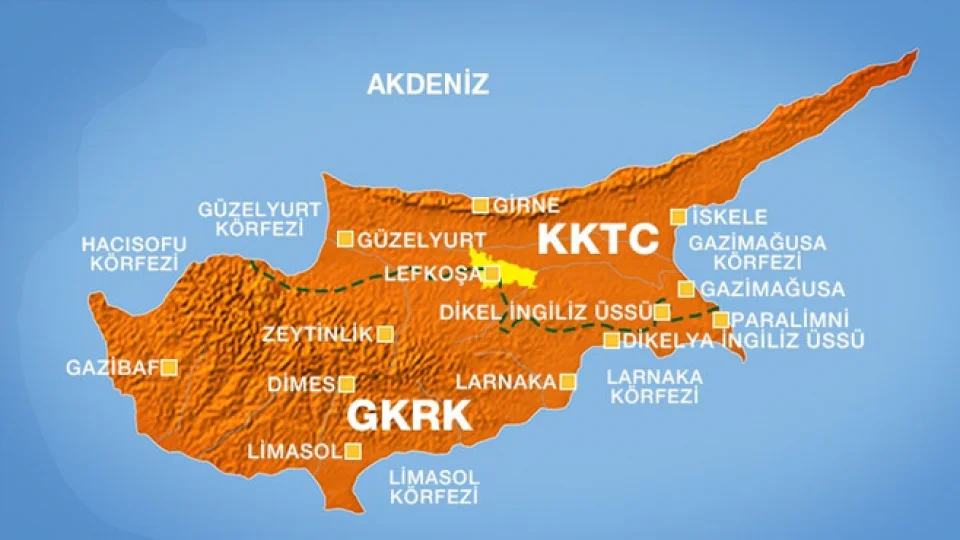
Cyprus is a Mediterranean island known for its historical and cultural richness. However, the political situation of the island, particularly the lack of international recognition for the Turkish Republic of Northern Cyprus (TRNC), is a topic of great interest for many people. The issue known as the Cyprus Problem has arisen as a result of ongoing conflicts and political disagreements between the two separate communities on the island. This situation affects both the political dynamics of the island and the region.
Although the TRNC declared its independence in 1983, it has only been recognized by Turkey so far. This situation directly impacts the island's position in international relations. The international community mostly adopts the idea that Cyprus should be reunited and that a lasting peace should be established between the two sides. However, there are differing views on the steps to be taken to achieve this goal and how negotiations will progress.
The roots of ethnic tensions in Cyprus date back to the transition of the island from the Ottoman Empire to the British Empire. Gaining independence in 1960, Cyprus soon became a scene of tensions between the Greek and Turkish communities. The military coup in 1974 led to Turkey's intervention in the island, resulting in the establishment of the TRNC in the north.
There are many reasons for the lack of international recognition of the TRNC. The most prominent among these are international law and United Nations resolutions. The ongoing negotiations regarding the reunification of the island increase the number of countries that do not recognize the independence of the TRNC. This situation causes the TRNC to remain isolated internationally and to experience economic difficulties.
In conclusion, the non-recognition of the TRNC is closely related not only to the political situation of the island but also to international relations and security policies. Resolving the Cyprus Problem is critical for the stability of not only the island but also the region. The steps to be taken in this regard promise hope for future peace and cooperation.
The Cyprus issue is a historically complex and multi-dimensional matter. Since the mid-20th century, ongoing conflicts between the Turkish and Greek communities in Cyprus have profoundly affected the political situation of the island. Although the Republic of Cyprus, established in 1960, was based on the equal partnership of the two communities, this partnership weakened over time and culminated in a military intervention in 1974. Following this intervention, Cyprus was divided into Turkish administration in the north and Greek administration in the south.
After the events of 1974, although the Turkish Republic of Northern Cyprus (North Cyprus) was declared, it is not recognized internationally. The main reason for this is the opposition of the Greek administration in the south of the island and Greece to this situation. Furthermore, although international organizations such as the United Nations and the European Union promote negotiations for the reunification of Cyprus, disagreements between the two sides continue.
In conclusion, the Cyprus issue affects not only the political situation of the island but also the balance of power in the region. While Turkey supports North Cyprus, Greece and the Greek administration exert pressure for the reunification of the island. This complex situation further deepens the issue of Cyprus's international recognition.
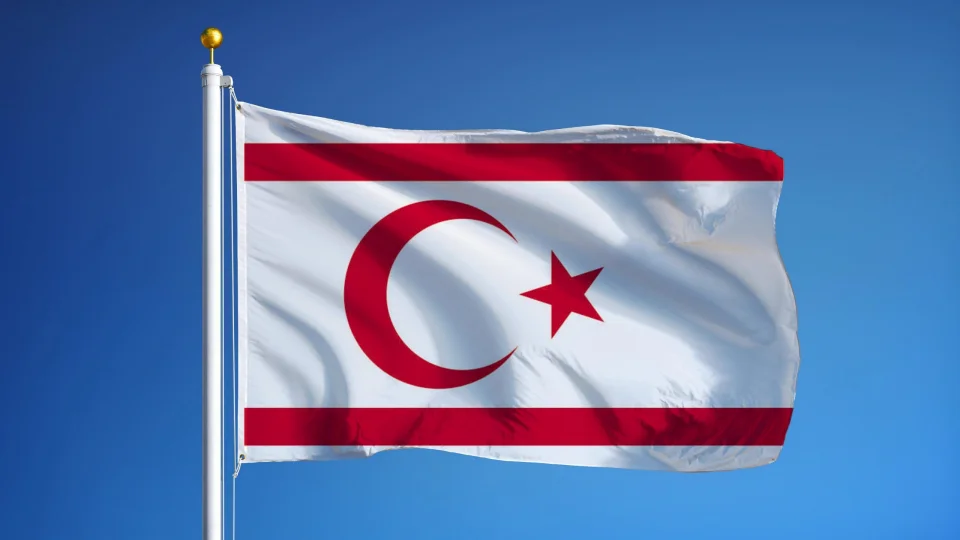
North Cyprus (Turkish Republic of Northern Cyprus), despite being declared in 1983, is not recognized internationally. One of the fundamental reasons for this situation is the historical and political background of the island of Cyprus. After the Cyprus Peace Operation in 1974, the northern part of the island came under the control of Turkey, which drew the reaction of the Greek Cypriots living in the south and the international community. These reactions are among the most significant factors leading to the non-recognition of North Cyprus's independence.
Another reason for the non-recognition of North Cyprus is the disregard for the solution proposals set forth by the United Nations and other international organizations. These proposals generally aim for the reunification of the island and the establishment of a bi-communal federation. However, the declaration of independence by North Cyprus poses a serious obstacle in this process.
In conclusion, the non-recognition of North Cyprus in the international arena is the result of many historical, political, and legal factors. This situation will continue until a lasting solution is achieved between the Turkish and Greek communities living on the island.
Cyprus is an island that attracts attention due to its strategic location and historical significance. However, the political situation on the island is quite complex. The Turkish Republic of Northern Cyprus (TRNC) declared its independence in 1983, yet it is not widely recognized in the international arena. The reasons for this include the division of Cyprus and the ethnic conflicts that led to this division. The Greek Cypriot side, located in the south of the island, operates as a recognized government in the international arena, in addition to its historical ties with Greece.
Efforts to find a solution have been supported by negotiations conducted by the UN; however, these processes have often ended without results. To achieve lasting peace in Cyprus, both sides need to make mutual concessions. However, the extent to which these concessions will be accepted and the trust between the parties are critical elements of the solution process.
North Cyprus has hosted various civilizations throughout its history and has held an important place in both Mediterranean and global politics due to its strategic location. The geographical position of the island makes it attractive both militarily and commercially. Therefore, North Cyprus has been a center of attraction for many countries and powers throughout history. The strategic importance of North Cyprus became even more pronounced, especially during the Cold War period in the 20th century. The conflicts and political disputes occurring on the island have affected not only North Cyprus but also other countries in the region.
The resolution of the North Cyprus issue is of great importance not only for the two sides of the island but also for other countries in the region. International organizations such as the United Nations and the European Union have made various efforts to contribute to the peace process in North Cyprus. However, the lack of trust between the parties and historical disagreements make it difficult to find a lasting solution.
In conclusion, the strategic importance and effects of North Cyprus are directly related to the issue of its recognition. North Cyprus's position in international relations has been a factor affecting both regional stability and global energy dynamics. Therefore, the North Cyprus issue will continue to remain a critical matter not only for the two sides of the island but for the entire world.
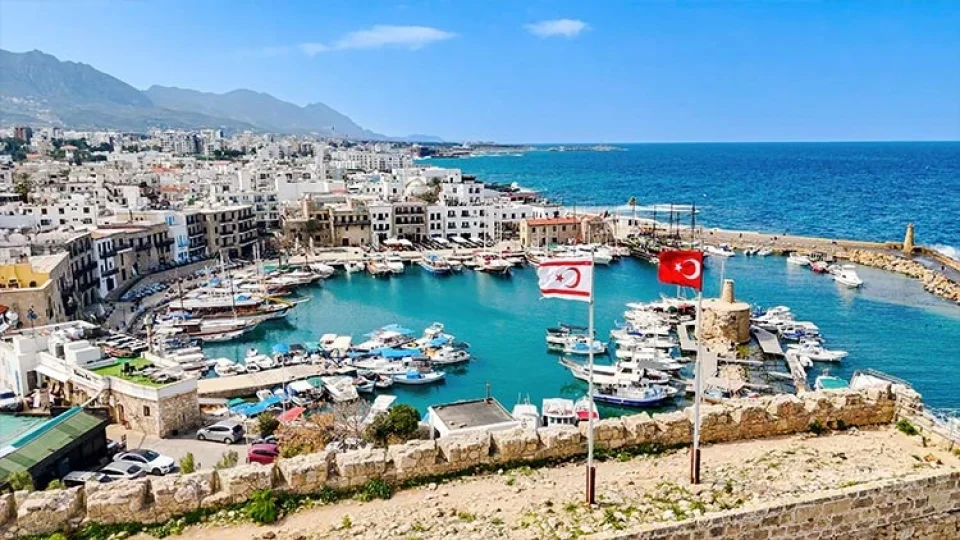
The Cyprus issue is not only significant for the island of Cyprus but also represents an important matter in terms of international relations. This situation is directly related to the historical disputes between Turkey and Greece, as well as the geopolitical interests of other countries in the region. The Turkish Republic of Northern Cyprus (North Cyprus), established in the northern part of Cyprus, is recognized internationally only by Turkey. One of the main reasons for this situation is the disregard for international law and United Nations resolutions regarding the division of the island.
Regarding the Cyprus issue, international perspectives vary. While many countries support the reunification of the island, some ignore this situation in line with their strategic interests. Notably, the European Union (EU) has only accepted the southern part of Cyprus for membership. This has been a significant factor in the non-recognition of North Cyprus. Additionally, international organizations such as the United Nations generally try to maintain a neutral stance in the political resolution processes in Cyprus but have not achieved results.
In conclusion, the Cyprus issue is more than just a matter of an island; it encompasses the complex dynamics of international relations. The non-recognition of North Cyprus is a multifaceted issue that involves not only political but also economic and social dimensions. Therefore, a more comprehensive and lasting approach is needed to resolve the issue.
